
Creative teams are the heartbeat of marketing: the storytellers, designers, and content builders who turn vision into experiences. But creativity without structure burns out fast.
For decades, creative, studio, and content teams have functioned slightly apart from operations. They report to marketing for direction but answer to their own internal timelines and tools.
That worked when campaigns were seasonal and channels were few. It doesn’t work now.
The modern reality
Today’s creative output is constant, multi-channel, and data-driven. Campaigns don’t roll out; they evolve. Content is atomized, versioned, personalized, localized, and tracked. That’s no longer a studio function; it’s an operational system.
Marketers focus on vision and ideas — defining the why and the what. But execution belongs with operations: the who, the when, the how. That’s where marketing/web operations (MKTGWEBOPS) takes the reins.
Why creative works better under marketing/web operations
- Unified production pipelines
When creative sits inside marketing operations, production aligns with the same processes that govern campaigns, automation, and web publishing. You eliminate hand-offs, duplication, and rework, so creative assets flow seamlessly from concept to delivery. - Shared visibility
Creative, content, and campaign data share a single source of truth. Operations manages scheduling, asset tagging, and performance feedback, so creative teams can see what’s working (and what’s not) to iterate faster. - Cross-functional support
Design, studio, and content don’t only serve marketing. They support product, sales, HR, and internal comms. A marketing operations structure acknowledges that reach and provides shared tools, governance, and capacity management across the organization. - Scalable creativity
When the mechanics of delivery (timelines, approvals, QA, publishing) are part of ops, creative teams can focus on the work that moves the brand forward through ideation, storytelling, and craft. - Operational empathy
Placing creative under marketing operations gives creatives freedom to do brilliant work, knowing resource planning, governance, and system integration are covered.
The takeaway
Creative vision drives the brand. Operations makes it real — consistent, efficient, and scalable.
Putting creative, studio, and content inside orgs such as MKTGWEBOPS doesn’t detract from creative freedom, but lends the structure that makes them sustainable, measurable, and effective across the entire business.
Want to see how this structure scales creative excellence? Book a discovery call to discuss the impact of aligning creative brilliance with operational precision.
How we use AI on this page:
We use AI tools to streamline operations, optimize content, and provide a consistent experience. On this page, AI helped us outline content | draft copy | optimize metadata or SEO.
Our team reviews and approves every AI-assisted element before publishing to make sure it’s accurate and true to our brand.
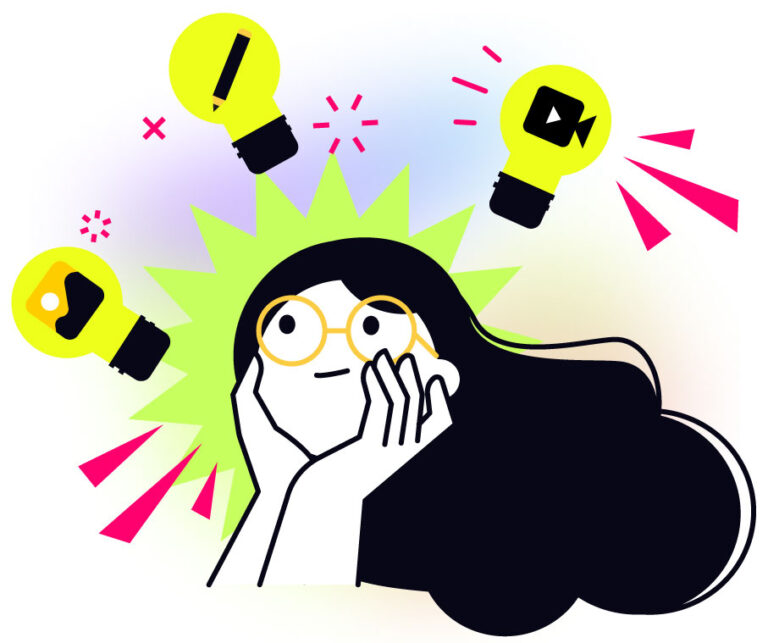
Ops doesn’t kill creativity — it sets it free
There’s a myth that structure stifles creativity.
In reality, it protects it.
When every project has clear ownership, a defined process, and the right tools, creative teams can stop firefighting and start creating.
MKTGWEBOPS doesn’t dictate the story — it clears the space for the storytellers.
It removes bottlenecks, handles logistics, and keeps assets flowing so ideas don’t die in approval queues or broken workflows.
The best creative work doesn’t come from chaos.
It comes from clarity, stability, and systems designed to support inspired people doing inspired work.
MKTGWEBOPS isn’t the enemy of imagination.
It’s the infrastructure that lets it thrive.